Why focusing on your spare tire can be detrimental to your health

Subcutaneous fat. See it. Feel it.
For most of us, carrying around a little extra padding or blubber is an ongoing struggle. We run, we walk, we lift, we swim. We do a number of things to try and reduce the spare tire around our midsection or the extra padding on our legs, hips, and arms. And while we all want that slim, sleek, sexy rockstar body, our focus on looking good may just kill us.
Not all body fat was created equal
There are essentially two types of body fat: subcutaneous and visceral. Subcutaneous fat is the stuff that we see and feel right below our skin. It’s the fat that trainers and fitness specialists measure with calipers. It’s the easiest fat to lose. And it’s the least harmful type of fat on our body.

Visceral fat: the hidden assassin
Visceral fat, on the other hand, is the fat that gathers around the internal organs like the liver in the adominal cavity and is much more perilous to our health. This deep belly fat contributes heavily to elevated triglycerides (blood fat) levels, insulin resistance (causing Type II Diabetes) caused by continuous metabolizing of fatty acids by the liver, glucose intolerance and hypertension. Left untreated or to continue to accumulate, the results are much more dire: heart disease, stroke, depression, and even cancer. Starting to get the picture?
As scary as the health implications are of carrying around too much visceral fat, more frightening still is how little we as a society know about this stuff. To most of us, body fat is body fat and we slave away in the gym trying to burn fat just so we can look better. But our misplaced focus and ignorance could cost us our lives in the long run.
Visceral fat accumulates under the radar
When we gain weight in the form of fat, the easiest to detect is added subcutaneous fatty deposits. This fat is generally what makes us jiggle when we walk, wiggle when we wave, or bounce when we run. We can see it and we can feel it, so we know it’s there.

Insulin resistance leads to Diabetes
What we don’t see, however, are the layers upon layers of visceral fatty deposits developing deep inside us. Visceral fat creeps between vital organs, secreting harmful hormones and enzymes that circulate through the bloodstream, contributing to a constant state of bodily inflammation. Realistically, visceral fat levels can only be accurately measured via CT scans, but that doesn’t mean we can’t focus on losing it even if we can’t see it.
It won’t come as a shock to anyone to find out that the key factors in excess visceral fat are poor diet, a sedentary lifestyle, smoking or other tobacco use. But changing your diet alone won’t reverse the amounts or effects of visceral fat. In fact—and here’s another revelation—diet combined with intense exercise seems to be the appropriate course of action to shed visceral fat. Researchers at Duke University found that exercise alone could actually have a substantial impact on the levels of visceral fat we store, with a test group of highly active individuals shedding 7% of both visceral fat and subcutaneous fat over the course of six months.
High intensity is still the way to go
It’s amazing, with all this information available, that people still go to the gym, run on a treadmill for 30 minutes at 4-5 mph and call it “working out.” Fitness professionals of all stripes—even if they’ve been recommending it for the wrong reasons—have been harping for eons on varying workout routines, adding resistance training, and creating extra work for your body to cause it to burn fat. Now they’re recommendations are validated.

High intensity workouts like kettlebells are most effective
To accomplish this, I’ve turned to kettlebell training since it accomplishes so many objectives in such a short amount of time. If high intensity aerobic exercise is the key to mobilizing visceral fat (it’s highly vascular given it’s proximity to large vascular organs), then I’ve yet to find any exercise that gets my heart racing and my breathing kicked into higher gear than interval training with kettlebells. And if burning subcutaneous fat is accomplished mainly by building fat-burning lean muscle, then the muscle-searing, hypertrophy-inducing kettlebell workouts are the perfect remedy for me.
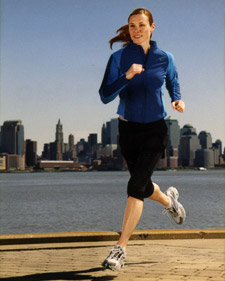
Intense running can work too. Just DO SOMETHING
Get off your ass, save your life
Maybe kettlebell training isn’t your thing. Maybe big-time old-fashioned weight lifting isn’t either. That’s okay because the most important thing here is that you do something. Walking briskly six times a week, interval running (30 second sprints with 2 minute jogging), even an aerobic step class—as emasculating as it is—can get you jump started on ridding yourself of an invisible killer. None of these exercises will necessarily get you that lean, long, rock hard superhero body, but it may just save your life.

No comments:
Post a Comment